The science of Hypercalm

Music engineered for your brain.

Hypercalm combines instrumental electronic music with rhythmic signals, binaural beats, and colored noise to help you focus, unwind, and sleep.

How Hypercalm works

Four parts. One purpose.

Hypercalm brings neural-engineered music and sound, rhythmic signals, colored noise, and listener control together in one system designed to help you reach the state you need.

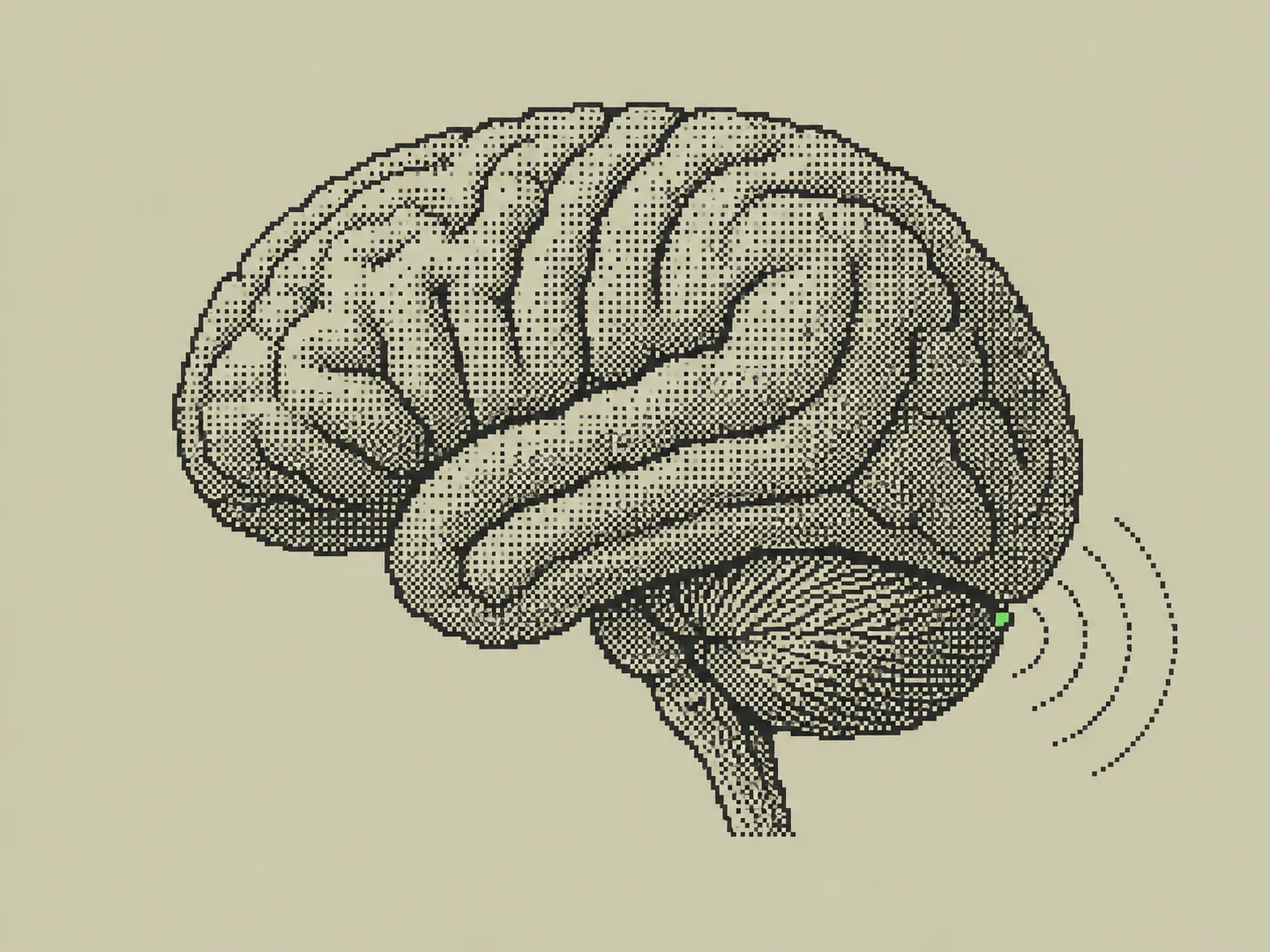
One-bit brain illustration inside a Hypercalm LCD display

01 · The system

Science-backed sound for the state you need.

Hypercalm starts with original instrumental electronic music and sound designed around a clear goal: focus, relaxation, or sleep.

Rhythm, texture, energy, and repetition are shaped to support attention without constantly pulling it away from the task.

Research: Cheah et al., 2022 · Thompson et al., 2012
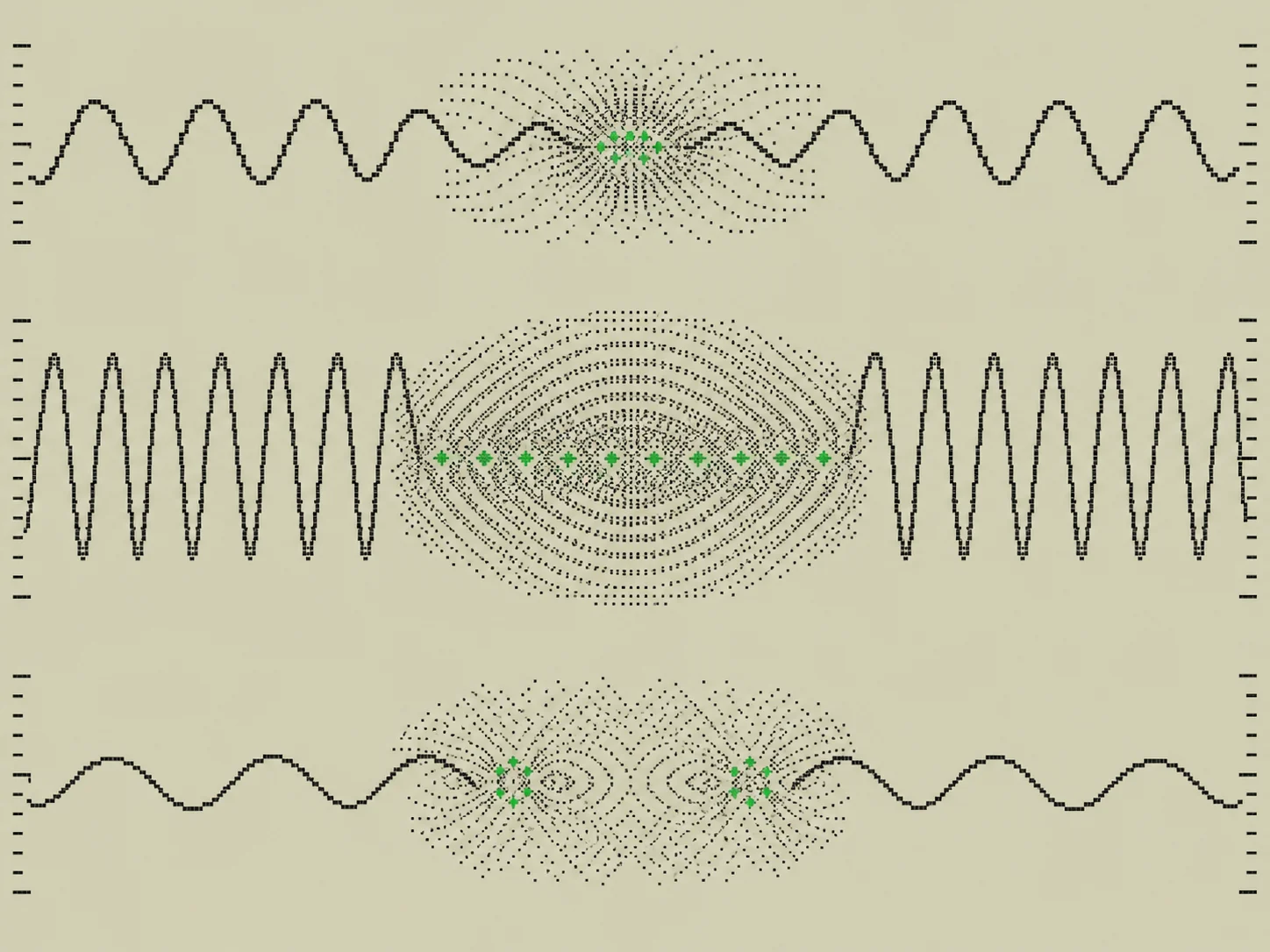
One-bit oscillation field inside a Hypercalm LCD display

02 · The system

Rhythmic signals give your brain a pattern to follow.

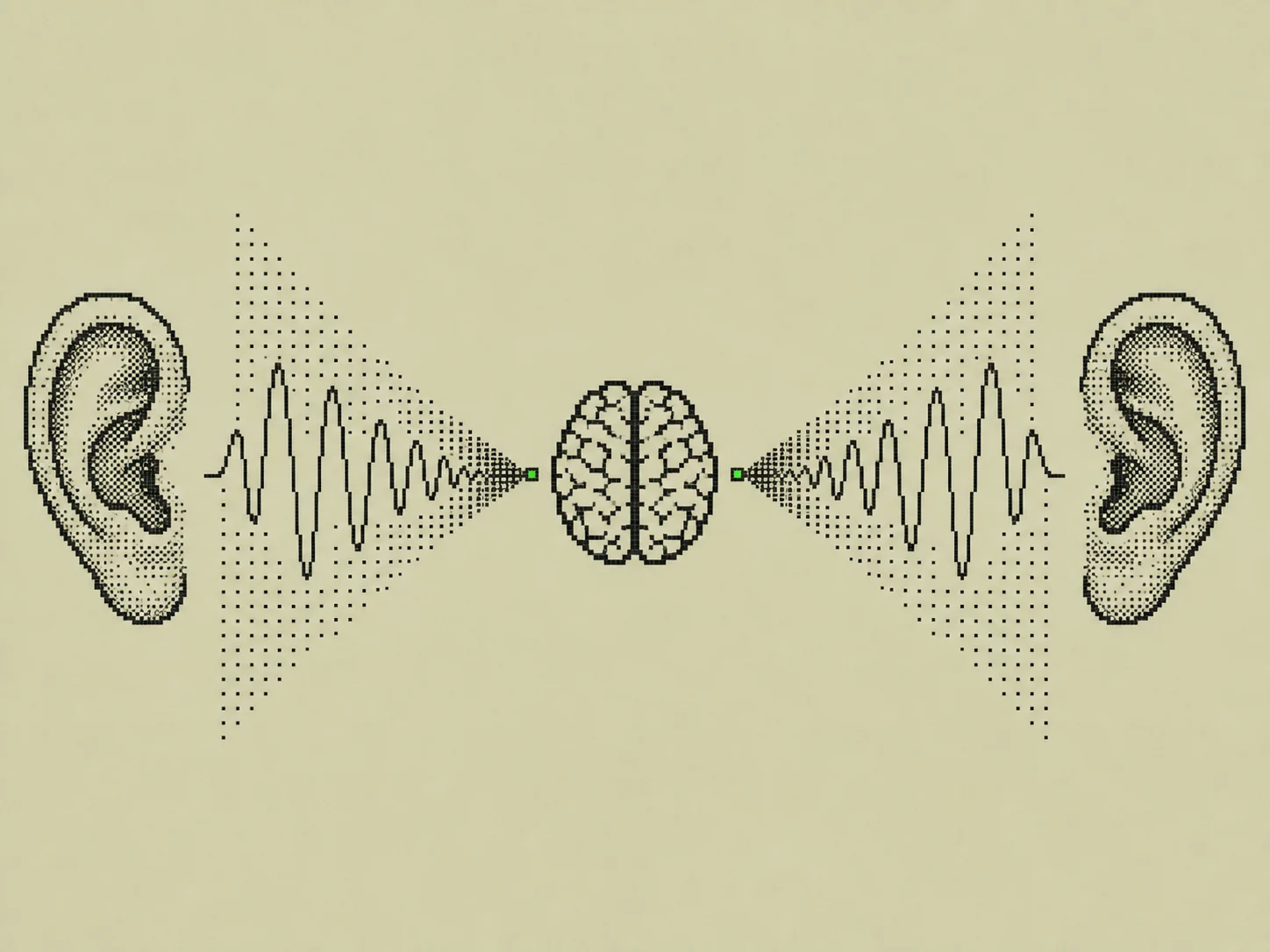
When sound repeats at a consistent rate, the brain can produce measurable activity that follows the frequency of that sound. This is called an auditory steady-state response.

Hypercalm pairs each goal with rhythmic signals in brainwave frequency ranges associated with active attention, relaxed wakefulness, and sleep.

Research: Matulyte et al., 2024 · Garcia-Argibay et al., 2019

One-bit auditory pathway illustration inside a Hypercalm LCD display

03 · The system

Colored noise makes the world around you steadier.

White, pink, and brown noise distribute sound energy differently, giving each layer a distinct texture.

These layers can soften unpredictable background sounds and create a more consistent listening environment for work, rest, or sleep.

Research: Nigg et al., 2024 · Capezuti et al., 2022

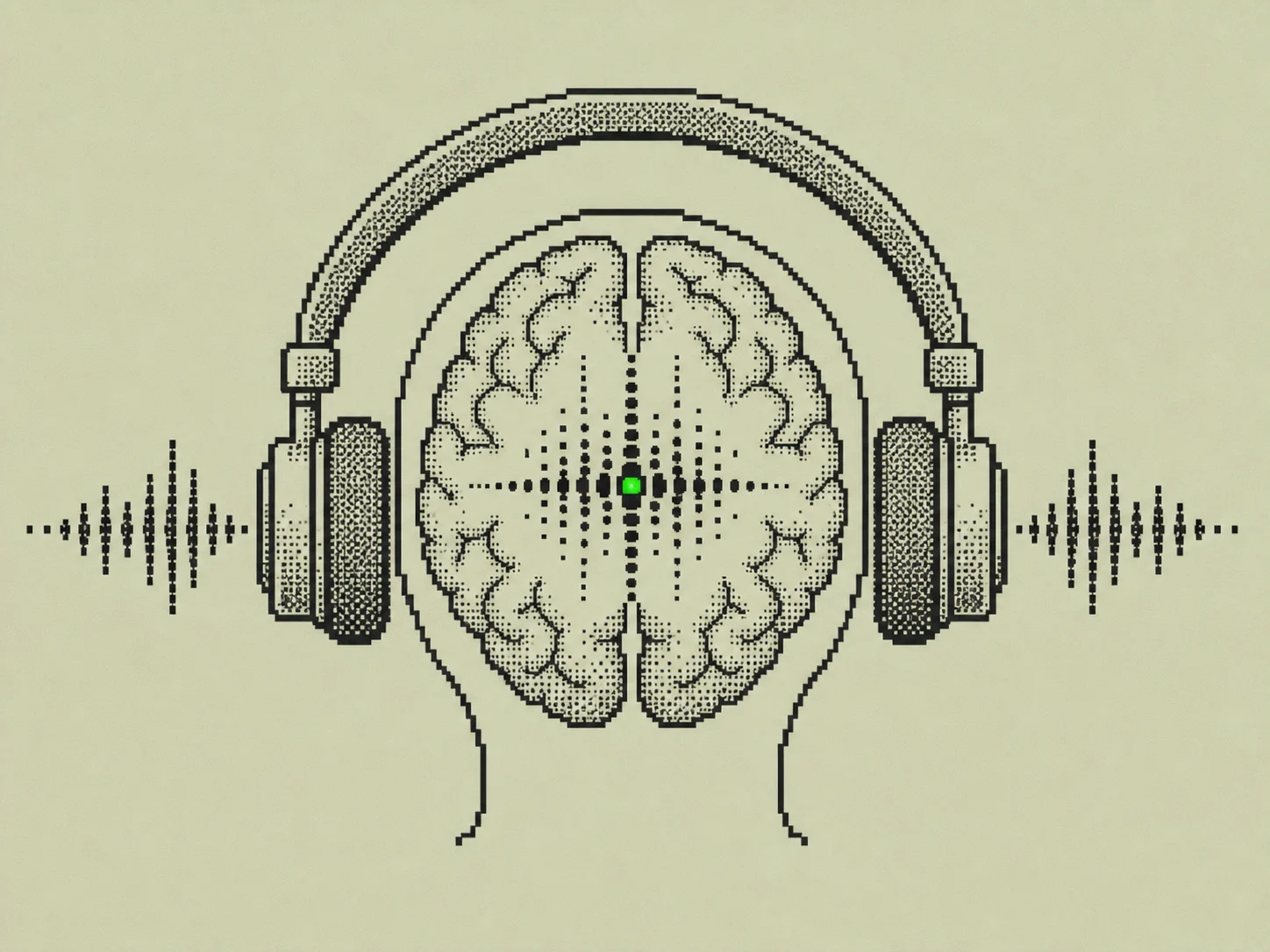
One-bit brain control map inside a Hypercalm LCD display

04 · The system

Tune the signal when your session needs it.

Every mix begins with a recommended setting matched to its goal. If a session feels too stimulating, too subtle, or your environment changes, you can tune the signal frequency, intensity, type, and noise color.

The underlying mix stays intact, so the adjustment changes the support around the sound—not the sound you chose.

The state you need

Engineered for focus, relaxation, and sleep.

Beta · 18 Hz

Focus deeper

Forward-moving sound and beta-range signals support active, sustained attention.

Alpha · 10 Hz

Unwind faster

Lower-energy sound and alpha-range signals support relaxed wakefulness.

Theta → Delta

Fall asleep easier

Slow, beatless sound and a theta-to-delta glide help your mind settle toward sleep.